Bullying leaves marks you cannot see on an X-ray. It can scramble a child’s sleep, thin out their appetite, and turn everyday settings like the bus stop or math class into mined ground. Some kids get hit with direct insults, others are frozen out quietly or pressured in group chats. I have sat with children who could not say their bully’s name without their throat tightening, and with parents who felt guilty that they missed the early signs. The goal of child therapy after bullying is not just to stop the pain. It is to restore safety, rebuild a sense of self, and grow the skills that make a child more resilient for the next hard moment.
What bullying does to a child’s mind and body
Bullying is not a single event. It is stress over time, often with uncertainty and shame layered on top. Repeated stress can push a child’s nervous system into a loop of threat detection. You may see jumpiness at small noises, checking and rechecking homework or messages, or sudden anger when something minor goes wrong. At night, that same system stays revved. Bedtime stretches into hours, or sleep comes but brings replay dreams. In the morning, stomach aches and headaches flare. Nurses see a lot of bullied children.
Psychologically, predictability shrinks. A joke might be safe today and risky tomorrow. Kids start to scan peers for danger, misreading neutral faces as hostile. Self-concept narrows to the bully’s words. I have heard a bright, funny 10-year-old boy call himself “the dumb one” for months because a classmate started using that label at recess. Without correction from adults and balancing experiences, these ideas can stick.
Bullying also disrupts relationships. A child who is targeted may pull back from friendships to avoid risk. Or they may cling too tightly to one friend, checking their phone every minute. Siblings take on the fallout, sometimes copying the taunting at home or trying to fix what they cannot. If parents disagree on how to respond, the kitchen turns into a debate stage just when a child needs steadiness.
Common signs that deserve attention
There is no single picture, but certain patterns should catch your eye. https://manuelbxex665.almoheet-travel.com/emdr-therapy-for-complex-trauma-what-progress-looks-like A child who used to enjoy school but drifts into frequent absences. Grades that dip for the first time without a new concept to blame. Clothes torn or “lost” more often. Lunches uneaten. Increased secrecy around messages or devices, with bursts of panic when a notification pings. Fresh reluctance to join activities they once loved. Sudden changes in hygiene or wardrobe chosen to blend in. If a child says they are being bullied, take it as a data point worth weight, even if details are tangled.
Self-harm and suicidal thoughts require immediate evaluation. Many kids do not say “I want to die,” but they do say “I wish I didn’t have to wake up.” Paired with bullying, that sentence should be taken seriously and acted on urgently with a call to your pediatrician, therapist, or crisis line.
What effective recovery looks like
Stopping the bullying is necessary, but not sufficient. Recovery means the child regains a felt sense of safety, not just the absence of harm. It also means flexible coping, broader identity, and renewed connection to peers and adults. Children do not need to become superheroes. They need to feel like themselves again, with a few more tools.
The elements tend to include a protected space to tell the story, practical steps that reduce risk, specific skill training, and collaboration across school and home. When these pieces line up, kids often show change within a few weeks, with deeper gains consolidating over months.
How child therapy helps
Child therapy gives structure to that work. Early sessions focus on stabilization. We establish emotional first aid, help name feelings accurately, and build routines that signal safety. For a 9-year-old, this might involve a feelings thermometer with color zones, paired with two or three go-to regulation strategies like paced breathing or muscle tension and release. With teens, we get buy-in by tying techniques to something they care about, like better sleep before a big game or calming down enough to finish an art project.
Cognitive and behavioral approaches tend to form the spine. Cognitive work identifies thought traps like mind reading, catastrophizing, or global labels, and gently tests them against evidence. Behavioral work adds exposure, stepwise and planned, to reclaim spaces. If a child has been avoiding the cafeteria, the plan might start with a short visit at a low-traffic time, then lunch at a side table with a trusted friend, then sitting closer to the group with a specific exit plan.
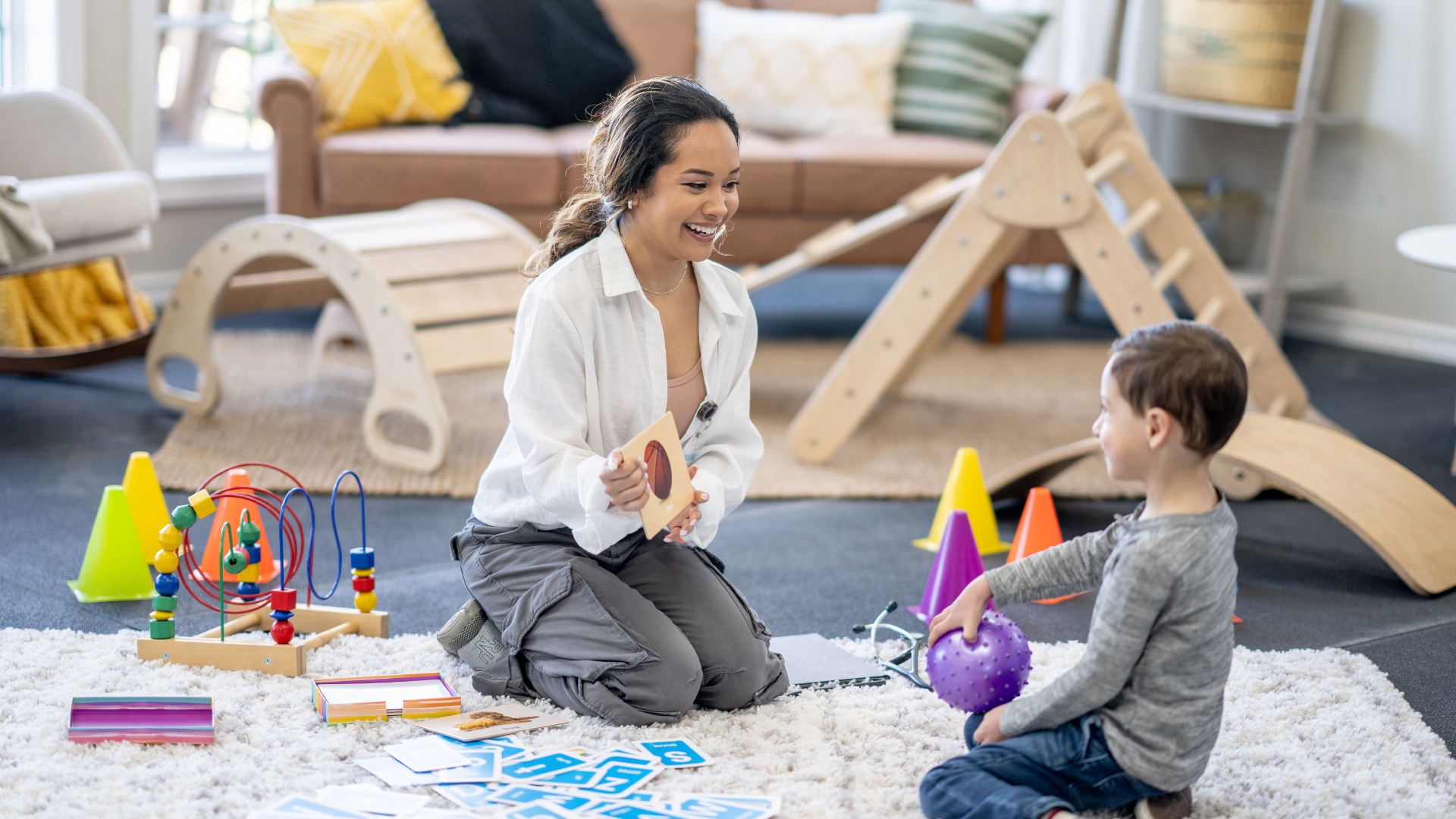
Play therapy is essential for younger kids and often for older ones too, because play is a child’s language. Puppets, drawing, sand trays, and movement can let them symbolically master themes of power, shame, and control without forcing painful details. A six-year-old who cannot describe being mocked can show it with figures and rearrange the outcome, which tells us where to focus in real life.
EMDR therapy has a place when the bullying has a traumatic edge. EMDR uses bilateral stimulation, often eye movements or alternating taps, along with focused recall of distressing images, thoughts, and body sensations. For children, we adapt the process with more structure and shorter sets, often using a light bar or butterfly taps while holding a comforting object. The goal is not to erase memory. It is to let the brain file the experience where it belongs, so a hallway that once triggered sweating and tunnel vision becomes just a hallway again. Many kids report a shift after two to four EMDR sessions targeting a specific memory, though the full course is longer when there are multiple targets.
Somatic techniques help children who carry bullying in their bodies. I have worked with a 12-year-old who felt a concrete block in his chest each morning. Naming the sensation, resetting posture, and practicing grounding techniques like 5-4-3-2-1 sensory scans reduced those sensations enough for him to sit through homeroom without bolting.
Group work can also be powerful when done well. A small, well-facilitated group for social skills or resilience gives practice with assertiveness and belonging. It also corrects the isolation that lets shame thrive. Not every child is ready for a group at first. Sequence matters. We often start individual, then shift into group once the child has some stabilization and a plan for tougher days.
Differentials and the role of assessment, including ADHD testing
Bullying targets are often chosen not because of weakness, but because of difference. A child who misses social cues can inadvertently fuel a cycle by reacting in ways peers do not expect. Or a child may have strong opinions that draw attention. It is crucial to know what we are working with.
ADHD testing can be part of a thorough assessment. A child with ADHD may be more impulsive, more reactive, or less able to filter comments. They can also be more likely to be targeted due to classroom disruptions, and they may retaliate in ways that blur the bully-victim line. Testing clarifies whether attention, working memory, or executive function deficits are amplifying the problem. That shapes the plan: clear routines for digital use, coaching for pause skills, or medication consultation when indicated. Without understanding ADHD, adults may attribute every outburst to “the bullying” and miss opportunities to build inhibition and cue recognition.
We also screen for anxiety disorders, depression, learning differences, and autism spectrum traits. A seventh grader who withdraws after bullying might be depressed, or they might also be reading at a fourth-grade level and avoiding exposure. Interventions change when we know the drivers.
Working with schools without burning bridges
School partnerships matter. Educators are busy, and they see only slices of the day, but many want to help when they have good information. I ask families to document dates, times, locations, who was present, and the exact behaviors. Screenshots are often crucial with cyberbullying. Vague statements get vague responses. Specifics lead to plans.
Talk with the school about supervision hotspots like lunch, hallways between periods, and the bus line. These are where many incidents happen because adults cannot be everywhere. Sometimes a simple change helps, like moving a seat closer to the teacher or arranging a different bus stop group. Other times we advocate for formal steps, from no-contact agreements to code of conduct enforcement.
Have a plan for reporting and follow-up. Kids often stop reporting after the first attempt because nothing seemed to change or because they faced retaliation. Build in check-ins. Too much adult presence can make a child feel singled out, so balance it with skill-building and private supports. A child should not have to become invisible to be safe.
Here is a brief, practical way to approach a school meeting for a bullied child:
- Arrive with a one-page summary: key incidents, dates, who was involved, and what your child needs to feel safe. Clarify roles: who is the point person, how your child will report, how staff will respond, and how you will all communicate. Ask for specific supervision changes in hotspots and a check-in schedule for the next three to six weeks. Agree on documentation: how incidents will be recorded and when you will review progress together. Set a date for the next meeting and identify what success will look like in concrete terms, such as attending lunch three times a week without incident.
The digital layer: cyberbullying and the always-on hallway
Phones and games extend school into every hour. Cyberbullying adds speed, permanence, and audience size. A single post can ricochet through a grade in minutes, and comments linger in caches even after deletion. Therapy adapts to this reality. We teach digital boundaries, train kids to spot escalation patterns, and practice scripts for blocking and reporting. We also empower parents to set structure without entering a surveillance war that a motivated teen will win.
A common tension is dignity versus safety. Some parents want to remove all devices. Sometimes that makes sense as a short reset. Long term, children need guided practice. The plan might include private accounts, curated friend lists, delayed responses to provocative messages, and clear steps for collecting evidence and reporting. When group chats become battlegrounds, we identify one or two safe peers and help the child migrate conversations there.
When couples therapy or family therapy belongs in the plan
Bullying strains families. One parent may favor a tough-love approach, the other a protective stance. Meanwhile, siblings chafe at the attention shift. Family therapy can align the response at home. Sessions focus on communication habits, consistent boundaries, and ways to reduce reactivity during peak times like mornings and bedtimes. We also practice family problem-solving so the child sees adults working together calmly.
Couples therapy is not about blaming parents for the bullying. It is about steadying the partnership so the child experiences predictability. I have watched a father and mother argue at 11 p.m. About whether to call another parent, while their daughter listened down the hall. A few couples sessions helped them set a shared boundary around device use, agree on escalation steps, and support each other when their own fears spiked. The home felt safer within weeks, and their daughter’s sleep improved.
Safety planning that empowers, not terrifies
A safety plan should be clear and simple enough for a child to use when emotions are high. It covers where to go, who to contact, what to say, and what to do next. It also normalizes a range of reactions. Some kids freeze and later feel ashamed. We plan for that, too, by rehearsing a short phrase and a move to a safe adult.
A typical plan identifies a few trusted adults in different settings, a method of signaling distress without drawing attention, and a breathing or grounding sequence to bring the thinking brain back online. We also practice assertive statements for low-level taunts, because not every nudge needs adult escalation. Tone and body posture make as much difference as words. You can see a child grow two centimeters taller when they learn to keep their eyes level, shoulders set, and voice steady.
Skills for resilience that last beyond the incident
Resilience is not a trait you either have or lack. It is a set of skills and supportive relationships. In therapy, we tackle:
- Emotional regulation: naming feelings precisely and using body-based tools to downshift. Kids learn to separate “I feel humiliated” from “I am nothing,” which opens room for choice. Social problem-solving: breaking down conflicts, generating multiple responses, and choosing based on goals and values. We role-play sticky moments, then test them in the wild. Assertiveness and boundary setting: short, direct language without apology. We distinguish assertiveness from aggression, which often triggers more trouble. Help-seeking: identifying adults and peers, practicing the ask, and reducing the belief that asking equals weakness. Identity building: reconnecting with strengths through interests and communities where the child is valued, from robotics to theater to service clubs.
These skills are taught, not lectured. We rehearse in session, sometimes with goofy accents or props to reduce embarrassment. Then we track how it goes in real life, adjust scripts, and celebrate small wins, like staying at lunch for 10 minutes longer or responding to a text with a neutral phrase instead of a spiral.
A brief case portrait
A 13-year-old, let’s call him Marco, came in after months of exclusion and mocking tied to a soccer team drama. He stopped trying out for school sports, stayed up late scrolling, and his math grade slid from A minus to C. He reported stomach pain most mornings.
We began with stabilization: sleep hygiene, a short pre-bed routine, and a morning plan that included a simple breakfast and a 90-second movement sequence. We added a feelings scale and two regulation tools. In week three, he processed a particular hallway incident using EMDR therapy. His SUDS rating of distress for that memory dropped from 8 out of 10 to 3. In parallel, we worked on scripts for eye contact, neutral tone, and a one-sentence response to snide comments. At school, the counselor adjusted his locker location to decrease traffic during the busiest passing period, and a teacher supervised a hotspot near the stairwell for a few weeks.
At home, parents attended two family therapy sessions to align on device rules and to reduce late-night debates. They also joined him in one low-pressure soccer activity that was not tied to the original team. Within eight weeks, Marco’s stomach aches faded, he rejoined a weekend futsal group, and his math grade returned to a B plus. The bullying did not vanish, but his response changed. He could name when to ignore, when to use a short assertive line, and when to ask for help.
Medication, psychiatry, and when to add more supports
Medication does not treat bullying, but it can support recovery when anxiety or depression is severe, or when ADHD is strongly contributing to impulsive reactions and school impairment. I coordinate with pediatricians or child psychiatrists when symptoms persist despite structured therapy, when sleep remains disturbed past six to eight weeks of intervention, or when intrusive thoughts and panic attacks dominate. Parents sometimes worry that medication will “mask” the problem. The better frame is scaffolding. If a child’s brain is stuck in an alarm loop, a beta blocker for performance anxiety or an SSRI for persistent depression can lower the volume enough for therapy to work.
Measuring progress without reducing a child to data
Progress tracking matters. We set a few measurable targets tied to life, not just scores. Attend lunch three times per week with no exits, fall asleep within 30 minutes four nights per week, complete math homework on time for two consecutive weeks, send two texts to safe peers per week. We also ask the child to rate safety and belonging in different settings on a 0 to 10 scale. Gains often come in waves. A bad day does not erase weeks of work. We plan for setbacks and keep the frame steady.

Parents’ role day to day
Parents influence recovery more than any technique I can teach in a room. The tone you set, the structure you hold, and the faith you show in your child’s capacity all matter. Try to move from interrogations to invitations: “Tell me the part of your day that felt most tense, and the part that surprised you in a good way.” Validate feelings without locking in a victim identity. Praise effort and process. Avoid promises you cannot keep, like “I will fix this by tomorrow.” Do keep promises you can, like “I will email the counselor by noon and check in with you at 6.”
Here is a compact checklist that many parents find useful in the first month:
- Create a predictable morning and evening routine that reduces decision points and screens near bedtime. Coordinate with school on a specific reporting pathway and two supervision adjustments in hotspots. Practice two regulation tools with your child daily for a few minutes, ideally when calm. Limit and structure device use, with agreed hours and a clear plan for handling provocative messages. Schedule one weekly activity that reconnects your child with competence and pleasure, separate from the problem.
Choosing a therapist and setting expectations
Look for a child therapist who can explain their approach in plain language and how it fits your child. Ask about their experience with bullying, their plan for collaborating with school, and how they involve parents. If trauma symptoms are strong, ask about EMDR therapy training with children. If focus and impulsivity are part of the picture, ask how they incorporate ADHD testing results or executive function coaching. A good therapist will not promise a smooth arc. They will outline steps, warn you where friction tends to show up, and invite you into the process at the right intervals.
Practical details matter too. Availability during school hours for quick coordination calls, comfort with secure messaging for updates, and a plan for crisis moments outside sessions. Chemistry matters, but so does structure. If after a handful of sessions nothing concrete has changed in your home routines or school supports, revisit the goals openly.

When bullying happens inside the family
Sometimes the cruelty comes from a sibling, cousin, or another relative. The line between typical sibling conflict and bullying is crossed when there is a consistent power imbalance and intent to harm or control. Family therapy is the right setting here. We look at patterns, parental responses, and house rules. Adults set firm limits and consequences without shaming, and we teach both children to repair. If one child is frequently the aggressor, we assess for underlying drivers like frustration from learning differences, ADHD, or anxiety. Couples therapy can help parents present a unified front instead of alternating between crackdown and permissiveness.
The long view: resilience beyond this episode
Children remember how adults responded when they felt small. Your presence and steadiness become part of their internal working model of the world. Real resilience is not a motivational poster. It is the slow stacking of experiences where a child learns: I can feel fear and still act, I can ask for help and keep my dignity, I can say no and survive someone’s displeasure, I can do hard things and rest.
Therapy sets the stage, but daily life carries the script forward. Keep your home predictable. Keep your relationship with your child warm and firm. Keep the school loop tight until things quiet down. Seek specialized help when the load is too heavy to carry alone. If related issues surface, such as attention problems or trauma reactions, pursue thorough assessment and targeted support, whether that means ADHD testing, EMDR therapy, or both.
Most bullied children do heal. They regain humor, reclaim places, and write new stories about who they are. Along the way, families often grow closer and more skillful. That is worth the effort, even on the days when progress is hard to see.
Name: NK Psychological Services
Address: 329 W 18th St, Ste 820, Chicago, IL 60616
Phone: 312-847-6325
Website: https://www.nkpsych.com/
Email: [email protected]
Hours:
Sunday: Closed
Monday: 8:00 AM - 5:00 PM
Tuesday: 8:00 AM - 5:00 PM
Wednesday: 8:00 AM - 5:00 PM
Thursday: 8:00 AM - 5:00 PM
Friday: 8:00 AM - 5:00 PM
Saturday: Closed
Open-location code (plus code): V947+WH Chicago, Illinois, USA
Map/listing URL: https://www.google.com/maps/place/NK+Psychological+Services/@41.8573366,-87.636004,570m/data=!3m2!1e3!4b1!4m6!3m5!1s0x880e2d6c0368170d:0xbdf749daced79969!8m2!3d41.8573366!4d-87.636004!16s%2Fg%2F11yp_b8m16
Embed iframe:
"@context": "https://schema.org",
"@type": "ProfessionalService",
"name": "NK Psychological Services",
"url": "https://www.nkpsych.com/",
"telephone": "+1-312-847-6325",
"email": "[email protected]",
"address":
"@type": "PostalAddress",
"streetAddress": "329 W 18th St, Ste 820",
"addressLocality": "Chicago",
"addressRegion": "IL",
"postalCode": "60616",
"addressCountry": "US"
,
"openingHoursSpecification": [
"@type": "OpeningHoursSpecification",
"dayOfWeek": "Monday",
"opens": "08:00",
"closes": "17:00"
,
"@type": "OpeningHoursSpecification",
"dayOfWeek": "Tuesday",
"opens": "08:00",
"closes": "17:00"
,
"@type": "OpeningHoursSpecification",
"dayOfWeek": "Wednesday",
"opens": "08:00",
"closes": "17:00"
,
"@type": "OpeningHoursSpecification",
"dayOfWeek": "Thursday",
"opens": "08:00",
"closes": "17:00"
,
"@type": "OpeningHoursSpecification",
"dayOfWeek": "Friday",
"opens": "08:00",
"closes": "17:00"
],
"geo":
"@type": "GeoCoordinates",
"latitude": 41.8573366,
"longitude": -87.636004
,
"hasMap": "https://www.google.com/maps/place/NK+Psychological+Services/@41.8573366,-87.636004,570m/data=!3m2!1e3!4b1!4m6!3m5!1s0x880e2d6c0368170d:0xbdf749daced79969!8m2!3d41.8573366!4d-87.636004!16s%2Fg%2F11yp_b8m16"
NK Psychological Services provides therapy and psychological assessment services for children, adults, couples, and families in Chicago.
The practice offers support for concerns that may include ADHD, autism, trauma, relationship challenges, parenting concerns, and emotional wellbeing.
Located in Chicago, NK Psychological Services serves people looking for in-person care at its South Loop area office as well as secure virtual appointments when appropriate.
The team uses a psychodynamic, relationship-oriented approach designed to support meaningful long-term change rather than only short-term symptom relief.
Services include individual therapy, child therapy, family therapy, couples therapy, EMDR therapy, and psychological testing for diagnostic clarity and treatment planning.
Clients looking for a Chicago counselor or psychological assessment provider can contact NK Psychological Services at 312-847-6325 or visit https://www.nkpsych.com/.
The office is located at 329 W 18th St, Ste 820, Chicago, IL 60616, making it a practical option for clients seeking care in the city.
A public business listing is also available for map directions and basic local business details for NK Psychological Services.
For people who value thoughtful, collaborative care, NK Psychological Services presents a team-based model centered on depth, context, and individualized treatment planning.
Popular Questions About NK Psychological Services
What does NK Psychological Services offer?
NK Psychological Services offers therapy and psychological assessment services for children, adults, couples, and families in Chicago.
What kinds of therapy are available at NK Psychological Services?
The practice lists individual therapy for adults, child therapy, family therapy, couples therapy, EMDR therapy, and psychodynamic therapy among its services.
Does NK Psychological Services provide psychological testing?
Yes. The website states that the practice provides comprehensive psychological and neuropsychological testing, including support related to ADHD, autism, learning differences, and emotional functioning.
Where is NK Psychological Services located?
NK Psychological Services is located at 329 W 18th St, Ste 820, Chicago, IL 60616.
Does NK Psychological Services offer virtual appointments?
Yes. The website says the practice offers in-person sessions at its Chicago location and secure virtual appointments.
Who does NK Psychological Services serve?
The practice works across the lifespan with individuals, couples, and family systems, including children and adults seeking therapy or assessment services.
What is the treatment approach at NK Psychological Services?
The website describes the practice as evidence-based, relationship-oriented, and grounded in psychodynamic theory, with a collaborative consultation-centered care model.
How can I contact NK Psychological Services?
You can call 312-847-6325, email [email protected], or visit https://www.nkpsych.com/.
Landmarks Near Chicago, IL
Chinatown – The NK Psychological Services location page notes the office is about four blocks from the Chinatown Red Line station, making Chinatown a practical local landmark for visitors.Ping Tom Park – The practice states the office is directly across the river from the ferry station in Ping Tom Park, which makes this a useful nearby reference point.
South Loop – The office sits within the broader Near South Side and South Loop area, a familiar point of reference for many Chicago residents.
Canal Street – The location page references Canal Street for nearby street parking access, making it a helpful directional landmark.
18th Street – The practice specifically notes entrance and garage details from 18th Street, so this is one of the most practical navigation landmarks for visitors.
I-55 – The office is described as accessible from I-55, which is helpful for clients traveling from other parts of Chicago or nearby suburbs.
I-290 – The location page also identifies I-290 as a convenient approach route for appointments.
I-90/94 – Clients driving into the city can use I-90/94 as another major access route mentioned by the practice.
Lake Shore Drive – The office notes accessibility from Lake Shore Drive, which is useful for clients traveling from the north or south lakefront areas.
If you are looking for therapy or psychological assessment in Chicago, NK Psychological Services offers a centrally located office with both in-person and virtual care options.